Complete Guide to Gutter Maintenance: Year-Round Checklist for Homeowners
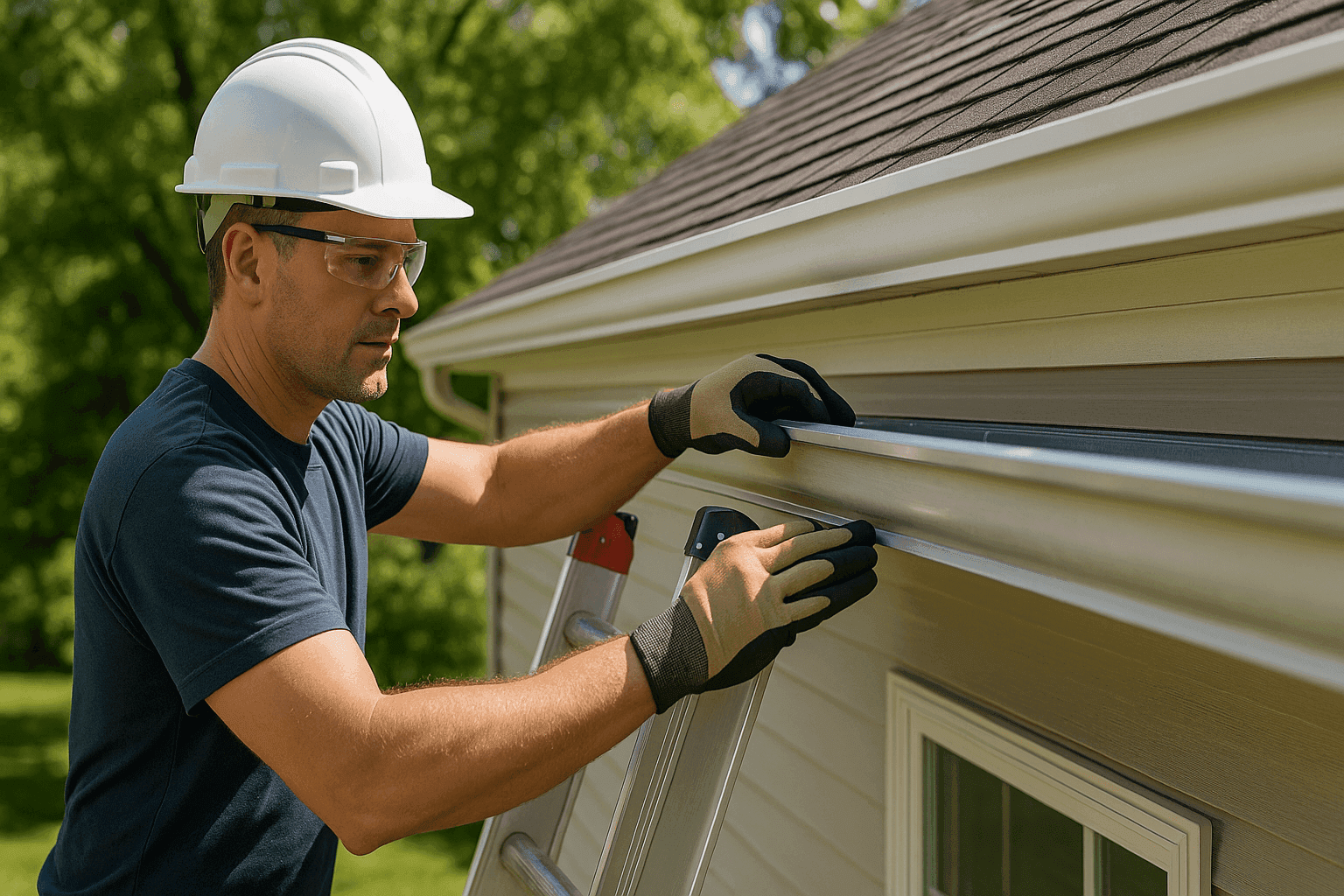
Maintaining your gutters isn’t just another item on the to-do list. It’s a shield for your home. When gutters work, you barely notice them. When they don’t, water sneaks where it shouldn’t—causing headaches, damage, and unexpected costs.
At Joel Residential Gutters, we’ve seen firsthand how a little routine care can prevent big problems. This year-round checklist is designed to help homeowners stay ahead of leaks, blockages, and ice dams. Let’s break it down season by season.
Why Gutter Maintenance Matters
Imagine your gutters as the silent sentinels guarding your home’s foundation. When they’re clogged or leaking, rainwater can pool around your house, seep into basements, and erode landscaping. The result? Costly repairs and potential water damage that’s tough to spot until it’s too late.
Routine gutter maintenance is more than a chore—it’s an investment in your home’s longevity and value. Industry leaders like the National Association of Home Builders and the International Association of Certified Home Inspectors recommend seasonal checks. These aren’t just best practices—they’re the standards that keep families safe and dry.
Quick Safety Checklist Before You Start 🦺
Gutter work can look simple, but it comes with risks. Before you climb the ladder, review this safety list:
- Wear sturdy, non-slip shoes—wet roofs are as tricky as ice rinks.
- Use a stable, well-positioned ladder—never overreach; move the ladder as needed.
- Gloves and eye protection—sharp debris and insects love gutters.
- Buddy system—have someone nearby if you’re working at height.
- Check weather conditions—avoid high winds and rain.
- Know your limits—if the roof is steep, high, or unsafe, call a professional.
Spring Cleaning and Inspection
Spring is when your gutters shake off winter’s leftovers. Melting snow and spring rains test every seam and hanger.
Key Tasks:
- Remove leaves, twigs, and any debris built up over the winter.
- Inspect for sagging or loose gutter hangers. Tighten or replace as needed.
- Check for visible leaks—look for watermarks or stains on fascia and soffit.
- Examine downspouts. Make sure water flows freely and exits at least 6 feet from your foundation.
- Look for peeling paint or rust on steel/aluminum gutters.
- Inspect gutter guards, if installed, and clear any blockages.
Pro Tip: Use a garden hose to flush gutters end-to-end. Watch for slow drainage or leaks.
Summer Storm Prep 🌧️
Summer storms can turn minor gutter problems into major ones. Heavy rain will quickly expose any weak spots.
Checklist:
- Double-check all joints and seams for leaks. Use gutter sealant for minor cracks.
- Secure downspouts and extensions so fast-flowing water doesn’t detach them.
- Confirm gutters are sloped correctly toward downspouts (about 1/4 inch for every 10 feet).
- Remove nests or debris from downspout openings.
- Inspect for early signs of mold or mildew on siding near gutters.
- Consider installing rainwater harvesting systems if you want to make the most of summer showers.
Safety Reminder: Bees and wasps often nest in gutters during summer. Approach with caution.
Fall Leaf Management 🍂
Autumn is beautiful—unless you’re a gutter. Falling leaves are the number one cause of clogs.
What to Do:
- Clean gutters thoroughly once most leaves have fallen, but before the first frost.
- Remove pine needles, seed pods, and any organic material.
- Inspect for shingle granule buildup—this may signal roof wear.
- Check for signs of animal activity (nests, chewed hangers).
- Review gutter guards and screens for damage or clogging.
- Schedule a professional inspection if you notice persistent blockages.
Tip: If trees overhang your roof, more frequent cleaning may be necessary.
Winter Ice Dam Prevention ❄️
Winter brings its own set of challenges. Ice dams and frozen gutters can lead to leaks inside your home.
Steps for Prevention:
- Clear gutters before the first snow to prevent blockages.
- Inspect for areas where water pools. These spots are prone to freezing.
- Ensure downspouts direct water away from the house—frozen puddles near foundations spell trouble.
- Remove icicles safely, but never hack at frozen gutters (this causes damage).
- Check attic insulation and ventilation. Poor airflow lets heat escape, melting snow unevenly and causing ice dams.
Fact: According to the Insurance Institute for Business & Home Safety, ice dams are one of the leading causes of winter water damage.
Regular Inspections: Spotting Issues Early
A quick monthly check, even outside of major cleanings, can catch small problems before they escalate:
- Look for drips or water trails during rain.
- Check that gutters remain attached firmly; loose hangers are a warning sign.
- See rust spots? Address them before holes develop.
- Watch for paint bubbling on trim—often a clue water is sneaking in behind gutters.
If you’re searching for “Gutter Leak Repair near you,” it’s probably time to get a professional opinion.
DIY vs. Call a Pro
Some tasks are simple; others are best left to a trained crew.
DIY-Friendly:
- Clearing debris and leaves
- Flushing gutters with a hose
- Tightening loose screws on hangers
Call Joel Residential Gutters For:
- Gutter replacement, realignment, or major repairs
- Installing seamless, aluminum, or copper gutters
- Handling steep or multi-story roofs
- Gutter sealing and flashing repair
- Emergency gutter services
Rule of Thumb: If a ladder can’t reach it safely, or if you see signs of structural damage, call in the experts.
What Pros Do On Arrival
When a professional arrives, they don’t just clean—they inspect, adjust, and repair.
- Thorough inspection: Checking every foot of gutter, looking for leaks, rust, and weak spots.
- Slope checks: Ensuring gutters drain correctly to prevent standing water.
- Hanger and bracket review: Tightening or replacing anything loose.
- Downspout analysis: Confirming water flows freely and extensions are secure.
- Fascia and soffit checks: Looking for rot or water damage.
- Gutter guards: Cleaning and assessing for performance.
Technicians follow Occupational Safety and Health Administration (OSHA) ladder and fall protection guidelines during every job.
Prevention & Maintenance Tips
A little prevention saves a lot of money:
- Install gutter guards if your home is surrounded by trees.
- Schedule semi-annual cleanings (spring and fall are critical).
- Use downspout extensions to keep water away from your foundation.
- Paint or treat metal gutters to prevent rust.
- Inspect after every major storm or wind event.
- Keep an eye out for overflow during rain—this is the first sign of a clog.
Costs & Time Factors
What does maintenance involve? Here’s what to expect:
- Time: Most single-story homes take 1–2 hours to clean and inspect. Larger or multi-story homes require more time.
- Cost: Routine maintenance is a fraction of the price of water damage repairs.
- Materials: Gutter sealant, screws, replacement hangers, and gloves are the most common supplies.
- Professional services: Factor in the convenience, safety, and thoroughness that comes with experience.
Remember: letting debris build up can turn a simple maintenance job into a major repair in no time at all.
When It’s an Emergency
Some scenarios can’t wait:
- Water pouring over gutters during rain
- Gutters detaching from the house
- Noticeable leaks seeping into your basement or crawl space
- Ice dams forming and dripping inside the house
In these cases, quick action is crucial to protect your home and belongings. Emergency gutter services are designed for exactly these moments.
FAQ: Gutter Maintenance Questions
How often should I clean my gutters?
Twice a year is standard—once in spring, once in fall. More frequent cleaning is needed if you have heavy tree cover.
What are signs my gutters need repair?
Sagging, leaks, water stains on siding, and pooling near the foundation all signal trouble.
Are gutter guards worth it?
For many homes, yes. They reduce the frequency of cleaning and help prevent blockages, but occasional inspection is still necessary.
Can clogged gutters really damage my home?
Absolutely. Overflow can erode foundations, cause basement leaks, and rot fascia or soffit boards.
Local and Seasonal Considerations
Every region has its own weather quirks. Heavy snow? Hurricanes? Dense tree cover? Adjust your maintenance routine to match your local conditions. For humid climates, mold and mildew are bigger threats. In northern regions, ice dams are the main concern. If you’re ever unsure, a local professional can recommend the best schedule and solutions for your area.
Protecting your home starts with well-maintained gutters. If you spot a problem or just want peace of mind, Call Joel Residential Gutters now — or reach us anytime at 877-748-7595 .