Ice Dam Prevention: Protect Your Gutters and Roof in Winter
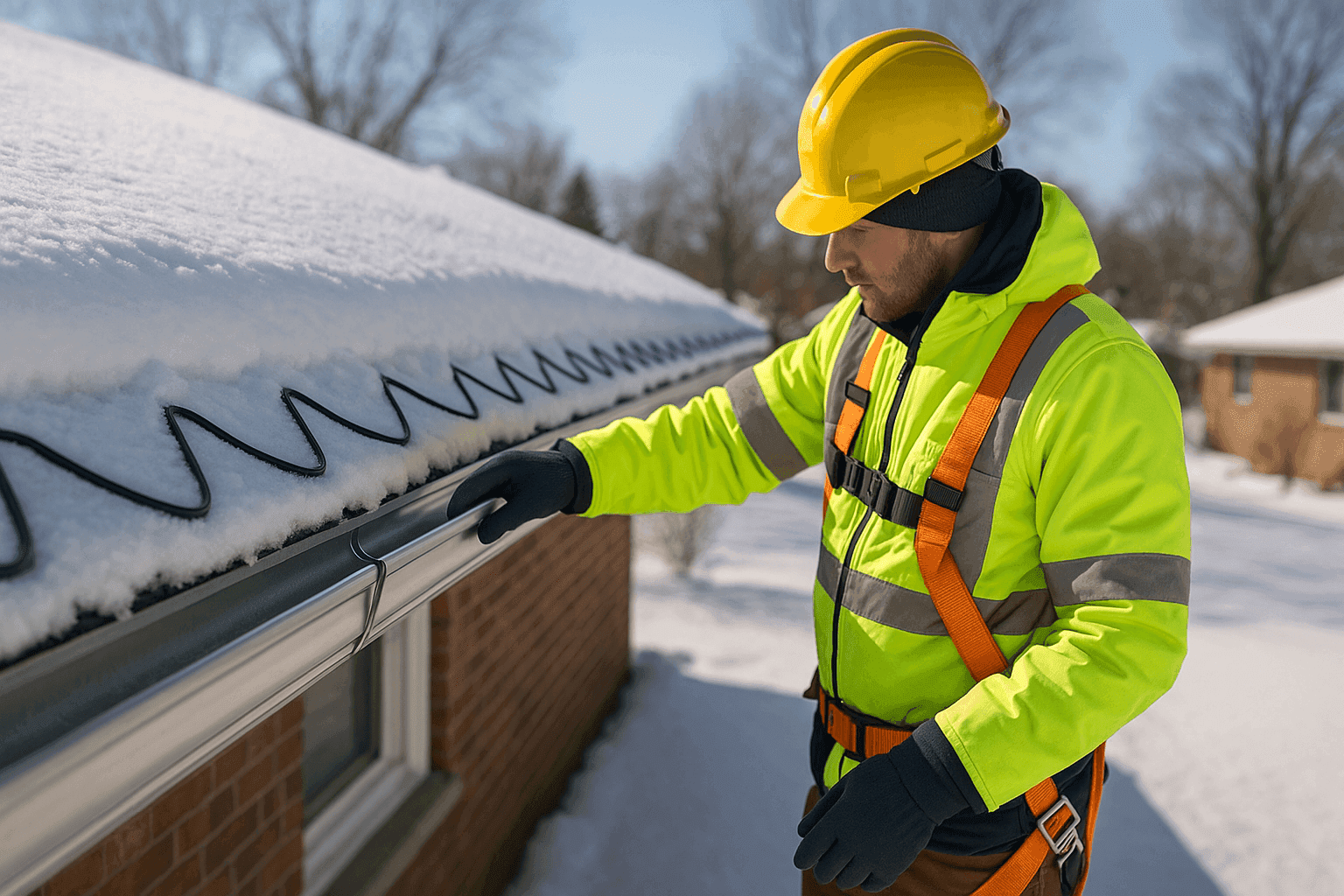
Winter brings a quiet beauty—snow on rooftops, icicles sparkling in the sun. But hidden beneath that charm, danger can build up fast. Ice dams are silent troublemakers. They sneak up overnight, risking your gutters, roof, and the cozy safety of your home.
At Joel Residential Gutters, we've seen far too many winter headaches caused by ice dams. Here’s what every homeowner should know to stay safe, dry, and stress-free when the cold sets in.
What Are Ice Dams—and Why Do They Matter?
Picture this: snow blankets your roof. Your attic leaks a bit of heat. Snow melts, trickles down, then refreezes at the roof’s edge or in your gutters. That’s an ice dam. It grows, blocks water, and soon, melted snow has nowhere to go except under your shingles, behind fascia, or even into your living room.
Ice dams aren’t just a nuisance. They can cause:
- Gutter leaks and separation
- Water-stained ceilings and walls
- Rotted fascia and soffit boards
- Interior mold or mildew
- Expensive emergency repairs
Ignoring them is like turning a blind eye to a dripping faucet—until the whole pipe bursts. The risk isn’t just to your gutters. Ice dams threaten your entire roof and, ultimately, your home’s structure.
Quick Safety Checklist for Homeowners 🛑
Before you grab a ladder or shovel, pause. Winter roof work is risky. Here’s a rapid-fire checklist to keep you safe:
- Never climb on an icy roof or handle heavy snow alone.
- Use a sturdy ladder with non-slip feet and always have a spotter.
- Wear insulated gloves and boots with good traction.
- Avoid metal tools that could damage shingles or gutters.
- Beware of falling icicles and slippery ground.
- Know your limits—if you’re unsure, step back.
For more, review OSHA’s guidelines on working at heights and in cold environments.
Why Ice Dams Form: Understanding the Root Causes
The real enemy is uneven roof temperature. When attics are warm, snow melts at the peak but refreezes at the colder edge. Poor insulation, blocked ventilation, and clogged gutters all make things worse.
Common triggers include:
- Inadequate attic insulation
- Gaps or leaks in vapor barriers
- Blocked soffit vents
- Debris-filled gutters and downspouts
- Poorly sloped gutters or improper gutter installation
Think of your roof as a winter hat: if there’s a gap, the warmth escapes—and ice sneaks in.
Warning Signs of Ice Dams
Stay alert for these tip-offs:
- Icicles hanging from gutters or roof edges
- Water stains or peeling paint inside, especially on exterior walls
- Sagging, leaking, or separated gutters
- Damp insulation or musty attic smells
- Dripping water beneath soffits
Spot these? Take action—quickly.
DIY Prevention Steps: What You Can Do
A little work now can save thousands later. Here’s what you can tackle safely as a homeowner:
1. Clean Gutters Before Snow Arrives
Clogged gutters are a recipe for ice dams. Scoop out leaves, twigs, and dirt. Flush downspouts. If you’re searching for “gutter cleaning near me” or “gutter leak repair near you,” act before the first big freeze.
2. Improve Attic Insulation
Check your attic insulation. Gaps let heat escape. Add insulation to meet ENERGY STAR recommendations for your climate. Seal attic hatches and gaps around pipes or light fixtures.
3. Ensure Proper Attic Ventilation
Clear soffit, ridge, and gable vents. Good airflow keeps your attic cold—exactly what you want in winter.
4. Use Safe, Purpose-Built Tools for Snow Removal
A roof rake with a long handle lets you clear snow from the eaves without climbing. Remove the first 3–4 feet after each storm.
5. Install Gutter Guards or Heat Cables (with Care)
Some homeowners add heated cables or gutter guards to keep water flowing. These should be installed with care—never use makeshift wiring or extension cords.
When to Call a Pro: DIY vs. Professional Help
Some jobs are best left to the experts. If you notice:
- Persistent ice dams, year after year
- Leaks inside, stained ceilings, or peeling paint
- Large icicles you can’t safely reach
- Gutters pulling away from your home
It’s time to call Joel Residential Gutters. Licensed teams have the tools, safety gear, and experience to fix problems before they escalate.
What Professionals Do On Arrival
When you contact a pro for help with an ice dam, here’s what happens:
- Inspect the roof, gutters, and attic for damage
- Use professional-grade steamers or safe melt products to remove ice (never axes or chisels)
- Repair or reinforce gutters, replace damaged hangers, and check downspouts
- Adjust gutter slope for better drainage
- Recommend insulation or ventilation improvements
A good professional follows code, follows safety guidelines, and never cuts corners.
Prevention & Maintenance: Your Winter Plan ❄️
To keep your home safe from ice dams, create a winter maintenance routine:
- Schedule gutter cleaning each fall and spring.
- Inspect attic insulation yearly.
- Check for loose or damaged gutters after big storms.
- Use gutter guards or heating cables if your home is in a high-risk area.
- Trim overhanging branches to reduce debris.
- Review the International Residential Code (IRC) for proper roof and gutter installation practices.
A little prevention is worth a pound of cure—and a dry living room.
Costs & Time Factors
Ice dam prevention isn’t free, but it’s far cheaper than repairing water damage. Here’s what to expect:
- Gutter cleaning: 1–2 hours for an average home
- Insulation upgrades: a weekend DIY or a day with a pro
- Gutter repair or replacement: a few hours to a full day, depending on scope
- Emergency ice dam removal: can take several hours, varies with severity
Remember, emergency repairs cost more—especially if water damage is already inside.
When It’s an Emergency
Sometimes, you need help fast:
- Water is leaking into your house
- Gutters are collapsing or hanging off the roof
- Large ice chunks threaten to fall on walkways or vehicles
In these cases, don’t wait. Call an emergency gutter service. Stay inside and away from the damage until help arrives.
FAQ: Common Ice Dam Questions
How often should I clean my gutters to prevent ice dams?
Twice a year—once in fall, once in spring. More often if you have lots of trees nearby.
Can I just knock icicles off my gutters?
No. Knocking off icicles can damage gutters, shingles, or hurt someone. Remove the source—snow and ice—safely from the roof edge.
Are heating cables safe for my gutters?
Yes, if installed correctly. Only use cables rated for outdoor, roof-edge use. Never use household extension cords.
Will gutter guards alone prevent ice dams?
Not always. Guards help keep gutters clear, but insulation and ventilation are key to stopping ice dams at the source.
Local and Seasonal Considerations 🏠
Your risk for ice dams depends on local climate and your home’s design. Homes in northern regions face longer, colder winters. Roofs with little slope or valleys collect more snow. If you’re unsure about your risk, ask a local expert for a winter inspection.
Code requirements can also vary. The International Residential Code (IRC) and your local building department can provide guidelines for roof insulation, ventilation, and gutter installation.
Final Thoughts: Winter Peace of Mind Starts with Your Gutters
Ice dams are a hassle, but you don’t have to face them alone. With smart maintenance, good insulation, and a little help from the pros, your home can weather the winter—dry, safe, and strong.
Call Joel Residential Gutters now — or reach us anytime at 877-748-7595 .