Gutter Guards: Are They Worth It for Homeowners?
Are you tired of climbing ladders to clear out clumps of soggy leaves from your gutters every fall? Many homeowners are. But with so many products and promises out there, it’s tough to know if gutter guards really solve the problem—or just add another headache.
At Joel Residential Gutters, we get asked about gutter guards every week. It’s a big decision for any homeowner. Let’s break down what gutter guards can do, where they sometimes fall short, and whether they’re the right fit for your home.
Why Do Homeowners Consider Gutter Guards?
Clogged gutters are more than just a nuisance. They’re an open invitation for water damage, foundation cracks, and even insect infestations. Think of your gutters as the veins that keep your home’s roof and walls healthy. When they’re clogged, the system backs up—fast.
But is adding a screen, mesh, or foam really the answer? Or do gutter guards just create new hassles? Many people hope for a “set it and forget it” fix, but the reality is more nuanced.
What Are Gutter Guards—and How Do They Work?
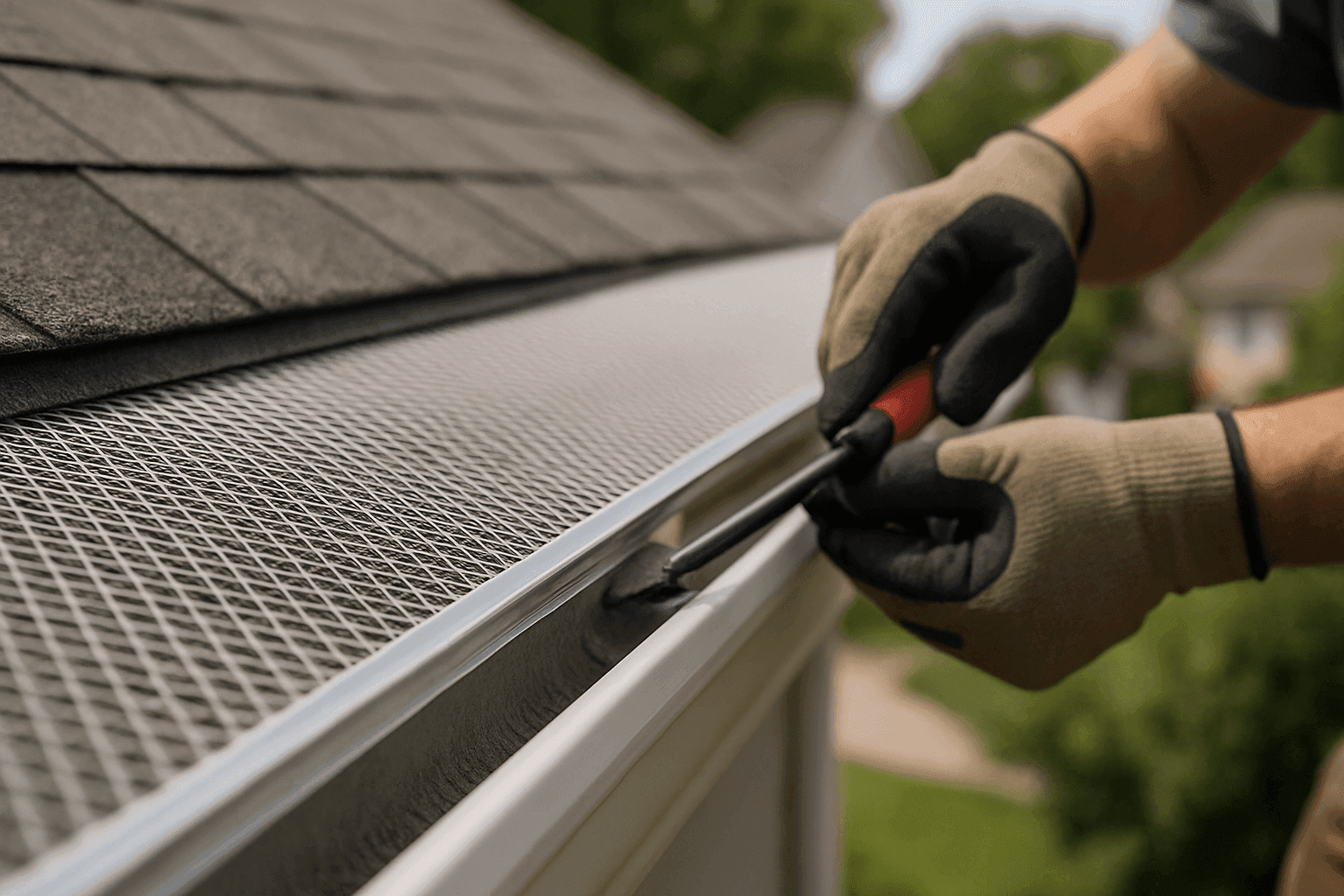
Gutter guards are coverings or inserts that sit on or inside your gutters. Their main job? To keep leaves, twigs, and debris out while letting rainwater flow through. There are a few main types:
- Mesh guards: Fine screens that block debris but let water in
- Reverse curve guards: Curved covers that channel water in while pushing leaves off the edge
- Foam inserts: Porous foam that sits inside the gutter, catching debris on top
- Brush guards: Cylindrical brushes that fill the gutter so debris can’t settle
- Micro-mesh: Ultra-fine mesh for tiny debris like pine needles
Some are visible from the ground; others tuck inside the gutter. Each style has its fans and drawbacks.
Installation Costs vs. Ongoing Cleaning Expenses 💰
Here’s the big question: Is it cheaper to pay for gutter guards up front, or just stick with regular cleaning?
- Gutter guard installation can range from a few hundred to several thousand dollars depending on type, gutter length, and roof complexity.
- Annual gutter cleaning (by pros) typically runs $150–$500 per visit, sometimes more for multi-story homes or heavy tree cover.
If you clean your own gutters, you’re saving money—but not time or safety (and that’s a risk ladder falls aren’t worth). Over 5–10 years, guards can pay for themselves, especially if you have lots of trees. But if your gutters rarely clog, the math may lean the other way.
Effectiveness in Different Climates and Home Styles
Not all gutter guards play nice in every setting. Here’s what we see:
- Heavy leaf fall (maples, oaks): Micro-mesh or fine mesh guards work best. Larger holes = more clogs.
- Pine needles: Only the tightest mesh stops these—many cheaper guards let needles slip through.
- Snow & ice: Some guards can contribute to ice dams if water can’t drain. In cold climates, look for guards rated for snow loads and ice resistance.
- Steep roofs: Reverse curve guards sometimes overshoot water in heavy storms.
- Historic homes: Some guards look bulky from the street; custom or low-profile options exist.
No guard is truly “maintenance-free.” Every style needs periodic inspection and cleaning—just less often than open gutters.
Maintenance Requirements for Each Gutter Guard Type
- Mesh & Micro-mesh: Rinse or brush off surface debris twice a year. Tiny seeds or shingle grit may collect on top.
- Reverse curve: Check for leaves jammed at the edge; wash occasionally.
- Foam: Debris sits on top and may need to be swept; foam can degrade over time and sometimes harbor mold.
- Brush: Remove and shake out as needed; can trap seeds or twigs within bristles.
No matter what, plan for at least one check-up a year. Skipping this can undo the benefits.
Common Myths About Gutter Guards
Let’s clear up a few popular myths:
- “You’ll never clean your gutters again.” False. While guards reduce cleaning frequency, nothing is 100% maintenance-free.
- “All guards are the same.” Not true. Quality, fit, and design matter.
- “They stop all water damage.” Incorrect. If not installed properly, guards can even make things worse.
- “DIY is always cheaper and just as good.” Sometimes yes, but often a poor fit or gaps create bigger headaches.
Do Gutter Guards Extend the Life of Gutters?
In many cases, yes. By preventing standing water, rot, and rust, guards can help aluminum, steel, copper, or vinyl gutters last longer. But if guards aren’t maintained, trapped debris can accelerate wear—and even void some manufacturer warranties.
When Should You Call a Gutter Guard Professional? 🛠️
Some projects are DIY-friendly, but certain situations call for pro help:
- You have a steep or multi-story roof
- Your fascia or soffit needs repair
- You want seamless installation without leaks or gaps
- You’re not confident on ladders
At Joel Residential Gutters, our team handles everything from Gutter Leak Repair near you to full custom guard solutions. We also spot issues like loose hangers, poor slope, or hidden damage during installation—problems DIY can miss.
Pros and Cons: A Realistic Look
Pros:
- Fewer clogs and less cleaning
- Helps prevent water damage and foundation issues
- Can keep pests out of gutters
- May extend gutter lifespan
Cons:
- Upfront cost can be high
- Maintenance still required
- Some styles are visible from the ground
- The wrong guard can cause overflow or ice dam issues
Real-World Customer Experiences
"We had mesh guards put on last year. No more overflowing gutters in spring, and we only brushed them off once so far. Worth it for our maple-heavy yard." — Linda M.
"Our old foam inserts clogged with pine needles, so we switched to micro-mesh. Much better, but still need to keep an eye on them after big storms." — Joe D.
Quick Safety Checklist for Gutter Guard Installation
- Use a sturdy, stable ladder and have a spotter
- Wear gloves and eye protection
- Watch for power lines and slippery surfaces
- Never overreach or work alone on a steep roof
- Follow manufacturer’s instructions and local code (see OSHA ladder safety guidelines)
- If unsure, hire a pro
DIY vs. Hiring a Pro
DIY is tempting if you’re handy and have a single-story home. Kits from big-box stores fit many standard gutters. But for complex roofs, second stories, or custom solutions, professional installation is safer and more effective. Pros can spot issues the untrained eye misses—like sagging gutters, leaks, or loose fascia.
What to Expect When Pros Arrive
Here’s how a typical Joel Residential Gutters visit unfolds:
- Inspect your existing gutters for leaks, rust, or damage
- Recommend the right guard type for your trees, climate, and home style
- Clean and repair gutters as needed before installing guards
- Install guards securely, ensuring proper slope and drainage
- Test for leaks and overflow
- Review maintenance tips with you
Prevention & Maintenance Tips
- Inspect guards and gutters in spring and fall
- Remove debris from the top of guards and from downspouts
- Schedule periodic professional cleanings, especially if surrounded by trees
- Check for signs of overflow during heavy rain
- Address minor repairs early to prevent bigger issues
Gutter Guard Costs & Time Factors
- Materials: Quality ranges from budget foam ($2/foot) to premium stainless mesh ($10+/foot)
- Labor: Pro installation adds cost, but ensures correct fit and warranty
- Time: DIY can take a weekend; pro install is often done in a day
Cost varies by region, home size, and gutter type. Always get a clear, written estimate.
When Gutter Guard Issues Are an Emergency
Overflowing gutters during a storm? Water backing up under shingles? That’s urgent. Call immediately if you see:
- Water pouring over gutter edges
- Leaks inside your home or basement
- Gutters pulling loose from fascia
- Ice dams forming along roof edges
Quick action prevents major water damage and costly repairs.
Frequently Asked Questions
Do gutter guards work on all gutter types?
Most do, but check compatibility with steel, aluminum, copper, or vinyl gutters.
Will gutter guards stop ice dams?
Not always. Some can even make ice dams worse if not installed correctly or in very cold climates.
Can I install gutter guards myself?
Many can, but it’s safest for single-story homes with easy access. Otherwise, hire a pro.
How often should gutter guards be cleaned?
At least once a year. More often if you have many trees or see debris building up.
Local & Seasonal Considerations 🍁
- Heavy autumn leaf fall? Clean guards and check downspouts after every big drop.
- Snow zone? Ask for guards rated for ice and snow; consider heat cables for tricky spots.
- Pine country? Only micro-mesh guards keep needles out.
- Frequent storms? Check after each major event to clear debris.
Regional quirks matter. What works in one climate may fail in another.
The Bottom Line: Are Gutter Guards Worth It?
Gutter guards aren’t magic, but for many homeowners, they’re a smart investment—especially if you dread the ladder or have lots of trees. Just go in with eyes open. They cut down on maintenance, but don’t erase it. The right choice depends on your roof, your trees, your climate, and your comfort with DIY.
Still have questions? Want a pro to take a look?
Call Joel Residential Gutters now — or reach us anytime at 877-748-7595 .