Emergency Gutter Repairs: What to Do Before Help Arrives
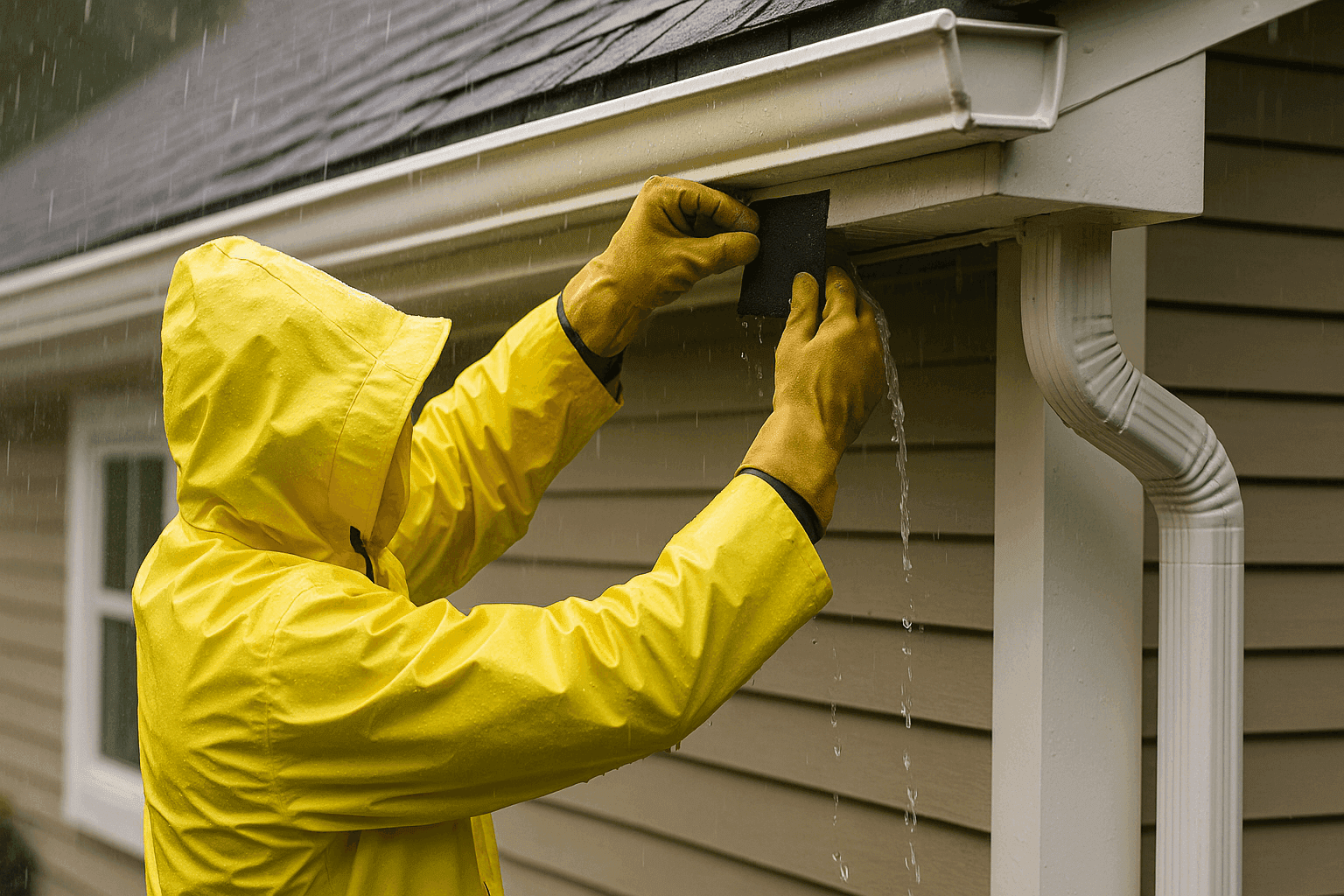
When gutters fail, it never seems to happen on a calm, sunny afternoon. It’s always in the middle of a downpour, or when an ice dam creeps across your roof after a surprise cold snap. Your heart sinks as you watch water pour where it shouldn’t, threatening your walls, foundation, and peace of mind.
At Joel Residential Gutters, we’ve seen it all—wind-ripped downspouts, leaking seams, and gutters sagging under the weight of ice. This guide is here to help you act fast, stay safe, and protect your home until professional help arrives.
What Emergency Gutter Problems Look Like
Not all gutter problems are created equal. Sometimes, it’s a sudden gush of water shooting over the edge like a mini waterfall. Other times, it’s a slow, silent leak that turns your flowerbeds into mud pits or sends water down into your basement.
Common emergency gutter situations:
- Leaking seams or corners during heavy rain
- Gutters torn away or twisted by strong winds
- Water spilling behind gutters or fascia damage
- Ice dams causing water to back up under shingles
- Clogged gutters overflowing in a storm
Each scenario brings its own risks. Water can quickly find its way into places it doesn’t belong, threatening not only your landscaping but also the bones of your house.
Quick Safety Checklist Before You Do Anything ⚠️
Before you grab a ladder or dash outside with duct tape, pause. Safety comes first—always.
- Stay off ladders during storms: Wet, windy, or icy conditions make falls far more likely.
- Don’t touch metal gutters near power lines: Electricity and water are a dangerous mix.
- Watch for slippery surfaces: Wet decks, driveways, and grass can send you sliding.
- Check for loose shingles or debris: Falling objects can cause injuries.
- Wear gloves and closed-toe shoes: Protect your hands and feet from sharp edges.
- Keep children and pets inside: Prevent distractions and accidents.
- If flooding is severe, shut off electricity to affected areas: Follow National Electrical Code safety guidelines.
When in doubt, wait for help.
Temporary Fixes: What You Can Do
Sometimes you can buy precious time with a few simple steps. Think of these as sandbags before the storm—temporary, but often effective.
For Leaks or Small Holes
- Use a plastic tarp or heavy-duty garbage bag to cover the leaking section.
- Secure with bungee cords or rope—never risk climbing to fasten it during a storm.
- Place buckets or containers under indoor drips.
For Overflowing Gutters
- If safe, use a broom handle or long stick to nudge obvious debris from the gutter while standing on the ground.
- Angle downspout extensions away from the house to divert water.
- Clear storm drains near your home’s foundation if possible—wear gloves.
For Wind or Ice Damage
- Gently move fallen branches away from downspouts if you can reach safely.
- Do not attempt to break or chip away ice dams (this can damage your roof and gutters).
These fixes are stopgaps, not solutions. But in an emergency, every minute counts.
Protecting Your Home’s Foundation and Landscaping
Water always looks for the lowest point. Don’t let that be your basement or crawl space.
- Use spare downspout extensions or flexible piping to move water at least 6 feet from your foundation.
- Place sandbags or rolled towels around doors, window wells, or low spots.
- Temporarily redirect runoff with plywood or boards if you have them handy.
- Keep mulch, soil, and landscape features away from pooling water.
Remember, even a small amount of redirected water can prevent thousands of dollars in damage.
DIY vs. Call a Pro: Know Your Limits
It’s tempting to reach for a ladder and tackle the problem head-on. But emergency gutter repairs are like patching a leaky boat in the middle of a storm—sometimes you just need to keep afloat until the professionals arrive.
DIY is okay if:
- The weather is calm and dry.
- The problem is reachable from the ground.
- You have the right tools and know-how.
Call a pro immediately if:
- The damage is near roof edges or high up.
- There’s electrical or structural risk.
- Water is entering your home in large volumes.
- You see signs of serious roof or fascia damage.
Joel Residential Gutters offers emergency gutter services near you, with the tools and experience to handle storms, ice, and everything in between.
What Professionals Do When They Arrive
Wondering what happens when the cavalry pulls up?
- Inspection: We assess the damage, inside and out, from the ground up.
- Temporary stabilization: If weather is still rough, we secure loose sections and redirect water flow.
- Emergency Gutter Leak Repair: Seal leaks or holes with weather-grade materials.
- Downspout and gutter clearing: Remove blockages, ice, or debris safely.
- Fascia and soffit checks: Prevent further water infiltration.
- Foundation review: Make sure water isn’t pooling near your home’s base.
Our team follows Occupational Safety and Health Administration (OSHA) ladder safety rules and local building codes for every job.
Mistakes to Avoid During a Gutter Emergency
Panic can lead to poor decisions. Here’s what to skip:
- Don’t climb ladders in wind, rain, or ice—falls are a leading cause of home injuries (CDC).
- Don’t try to patch with household glues or paints—they won’t hold up in the weather.
- Don’t ignore the problem—waiting can multiply the damage.
- Don’t break ice dams with force—this can destroy gutters or shingles.
How to Document Damage for Insurance
If you need to file a claim, good records matter.
- Take clear, timestamped photos of all visible damage—inside and out.
- Make a list of damaged areas, including walls, ceilings, and landscaping.
- Save receipts for any emergency purchases (tarps, sandbags, etc.).
- If safe, note the timeline—when did the leak or overflow start?
- Call your insurance company as soon as possible for guidance.
Prevention & Maintenance: Building a Stronger Gutter System 🏠
An ounce of prevention is worth a pound of buckets. Regular gutter inspection and cleaning go a long way.
- Schedule seasonal gutter cleaning—especially before heavy rains or snow.
- Install gutter guards to block leaves and debris.
- Check for loose fasteners or hangers after storms.
- Inspect downspouts to ensure water flows away from your home.
- Ask about ice dam prevention, such as heat cables or proper attic insulation.
The National Roofing Contractors Association recommends professional gutter inspections at least twice a year.
Costs & Time Factors: What to Expect
Emergency repairs can feel urgent—and unpredictable. Here’s what usually affects the timeline and cost:
- Severity of damage: Small leaks cost less, major wind or ice damage takes longer.
- Accessibility: Higher stories or steep roofs require more time and safety gear.
- Materials: Custom or specialty gutters (copper, steel) may need special parts.
- Weather: Ongoing storms can delay full repairs.
Most temporary fixes are quick, but lasting repairs may take several hours to a day, depending on conditions.
When It’s Truly an Emergency
Sometimes, you need to put safety above all else. If water is entering your electrical system, ceilings are sagging, or structural damage is visible, evacuate and call emergency services. If you suspect mold growth after a flood, consult local health authorities.
FAQ: Emergency Gutter Repairs
What should I do first if my gutter is leaking during a storm?
Stay inside, protect valuables, and use buckets to catch drips. Only attempt exterior fixes from the ground and when it’s safe.
Can I patch a gutter with duct tape?
Duct tape can help in a pinch, but it’s not waterproof long-term. Use it as a temporary measure only.
Why do my gutters overflow during heavy rain?
Clogs, poor slope, or undersized gutters can cause overflow. Professional gutter inspection can pinpoint the cause.
How soon should emergency gutter repairs be done?
As soon as conditions allow, especially if water is reaching your foundation or interior.
Local and Seasonal Considerations
Every season brings its own challenges. In regions with freezing winters, ice dams and heavy snow can strain even the toughest gutters. Spring brings seeds and pollen, while fall dumps leaves and twigs. Regular cleaning and inspection are as important as snow tires or storm windows.
If you’re in an area prone to wind or hail, ask about reinforced gutter hangers and durable materials like steel or copper.
Storms and accidents don’t wait for the perfect moment. But you can be ready for whatever the weather throws your way. For Gutter Leak Repair near you—fast, safe, and done right—Call Joel Residential Gutters now — or reach us anytime at 877-748-7595 .