How to Choose the Right Gutter Material for Your Home
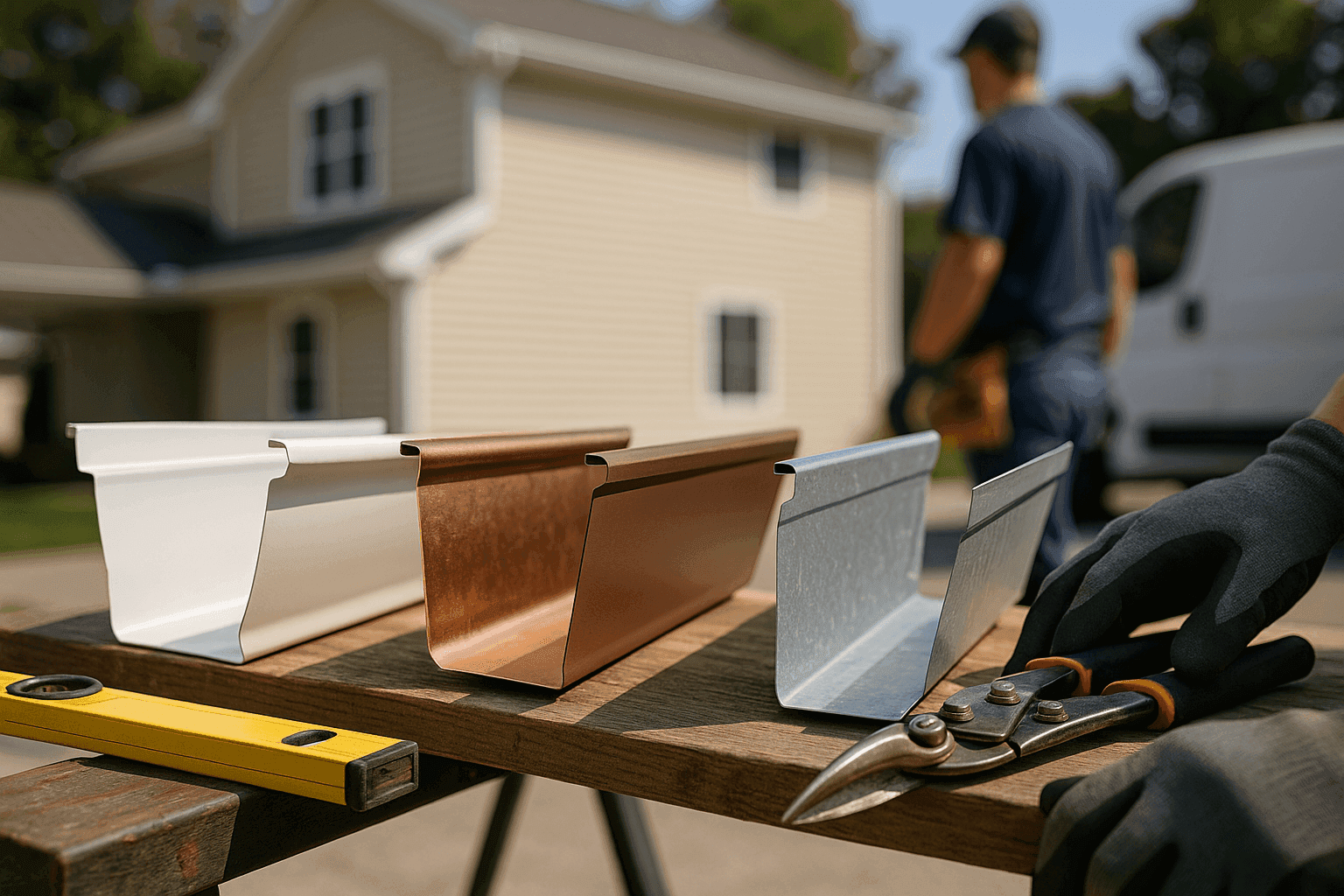
Choosing the right gutters for your home can feel like picking the right shoes for a cross-country hike. They need to fit, last, and stand up to whatever the weather throws at them. If you’ve ever dealt with water pouring over the edge during a storm, you know how urgent it is to get this decision right.
At Joel Residential Gutters, we’ve seen firsthand how the right gutter material stops water damage in its tracks. Let’s break down your options, so you can protect your home and sleep a little easier when the rain comes.
Understanding Different Gutter Materials 🌧️
Not all gutters are created equal. Each material brings its own strengths—some shine in harsh weather, while others keep things simple and affordable. Here’s what you’ll find on the market today:
- Aluminum Gutters: Lightweight, popular, and cost-effective.
- Copper Gutters: Timeless beauty and unmatched longevity.
- Vinyl Gutters: Budget-friendly and easy to maintain.
- Steel Gutters: Tough and ready for wild weather.
- Seamless Gutters: Custom-fit with fewer leaks.
Let’s walk through each option to help you make the best choice for your home.
Aluminum Gutters – Lightweight and Cost-Effective
Aluminum gutters are the sneakers of the gutter world—dependable, versatile, and easy to work with. Most homeowners gravitate toward aluminum for good reason:
- Durability: Resistant to rust and corrosion, especially when coated.
- Lightweight: Easy to install and handle, reducing labor costs.
- Variety: Available in many colors to match your trim or siding.
- Affordable: Won’t break the bank.
But, like sneakers, they’re not invincible. Aluminum can dent if hit by ladders or tree limbs. In areas with heavy snowfall, they may need extra support. Still, for most homes, aluminum offers the right mix of price and performance.
Copper Gutters – Longevity and Aesthetic Appeal
Copper gutters are the classic leather boots—beautiful, built to last, and only get better with age. They develop a stunning green patina over time, adding character to older homes or those with historic charm.
- Extreme Longevity: Can last 50+ years with proper care.
- Low Maintenance: Naturally resists algae and fungus.
- Distinctive Look: Adds instant curb appeal and value.
The tradeoff? Copper is expensive and requires professional installation. It’s an investment, but one that pays off in durability and appearance. If you want your gutters to be a statement piece, copper is hard to beat.
Vinyl Gutters – Low Maintenance and Budget-Friendly
Vinyl gutters are the flip-flops—simple, lightweight, and easy on the wallet. For homeowners who want a quick fix or are on a tight budget, vinyl gets the job done.
- No Rust: Plastic construction means no corrosion.
- Easy Installation: Snap-together pieces make DIY possible.
- Low Cost: The most affordable option.
However, vinyl can become brittle in cold weather and may warp in extreme heat. They work best in mild climates and on smaller homes. If you need emergency gutters in a pinch, vinyl can be a fast solution, but may not be the longest-lasting.
Steel Gutters – Strength and Weather Resistance
Steel gutters are like the work boots—tough, rugged, and ready for anything. Galvanized steel stands up to hail, heavy snow, and falling branches.
- High Strength: Handles harsh weather and heavy debris.
- Long Life: Lasts 20+ years with proper maintenance.
- Paintable: Can be matched to your home’s color scheme.
Keep in mind, steel can rust if the protective coating wears off. Regular maintenance is a must. Stainless steel options are available, but they come at a premium price. For homes in extreme climates, steel provides peace of mind.
Seamless Gutters – Reduced Leaks and Custom Fit
Seamless gutters are tailored suits—custom fit for your home, reducing the risk of leaks at the seams. They’re made on-site to the exact length needed, which means fewer joints for water to sneak through.
- Fewer Leaks: No seams along the run means less chance for drips.
- Custom Look: Clean, continuous lines boost curb appeal.
- Material Choices: Available in aluminum, steel, and copper.
Seamless gutters require professional installation. The upfront investment is higher, but you’ll save on repairs and enjoy a cleaner look.
Factors to Consider When Choosing Gutter Material
Every home is different. Before making your choice, weigh these key factors:
- Climate: Heavy rain, snow, or ice? Choose materials like steel or copper.
- Home Style: Match your gutters to your home’s architecture and color.
- Budget: Consider both upfront and long-term maintenance costs.
- Maintenance Needs: Some materials need more attention than others.
- Longevity: Think about how long you want your gutters to last.
- Emergency Gutters: If you need a quick fix, vinyl or aluminum may be best.
If you’re unsure, consult resources like the International Association of Certified Home Inspectors (InterNACHI) or the National Roofing Contractors Association (NRCA) for industry standards and safety guidelines.
Quick Safety Checklist for Gutter Selection
- Wear gloves and safety goggles when inspecting old gutters.
- Use a stable, properly-rated ladder for all gutter work.
- Watch for sharp edges or rusted metal.
- Never work alone—have someone nearby in case of emergency.
- Follow manufacturer and Occupational Safety and Health Administration (OSHA) guidelines during installation.
DIY vs. Professional Installation
Some gutter materials—like vinyl—are marketed for DIY installation. But gutters are more than just pipes; they’re your home’s first defense against water damage.
DIY Pros:
- Lower upfront cost.
- Immediate results for small repairs.
DIY Cons:
- Risk of improper slope or leaks.
- Safety hazards on ladders or roofs.
- May void manufacturer warranties.
Professional Installation Pros:
- Correct slope and secure attachment.
- Access to seamless and custom options.
- Compliance with building codes and safety standards.
For most homeowners, especially those dealing with emergency gutters or complex roofs, calling a professional is the safest bet.
What the Pros Do On Arrival
When you call Joel Residential Gutters, here’s what to expect:
- Inspection: We check existing gutters, fascia, and roof edges for damage.
- Material Recommendation: Based on your home’s needs and your preferences.
- Custom Measurement: For seamless gutters, we measure each section on-site.
- Safe Removal: Old gutters are taken down without harming your roof or siding.
- Expert Installation: New gutters are installed with the right pitch for proper drainage.
- Cleanup: We leave your property clean and debris-free.
Our team follows industry best practices and adheres to standards set by organizations like the Sheet Metal and Air Conditioning Contractors’ National Association (SMACNA).
Prevention & Maintenance Tips
No matter which material you choose, regular maintenance keeps your gutters working:
- Clean gutters at least twice a year—more if you have trees nearby.
- Install gutter guards to minimize clogs.
- Check for sagging, leaks, or rust after big storms.
- Seal joints and seams as needed.
- Inspect downspouts for blockages.
Remember, well-maintained gutters mean fewer emergency gutter calls and less risk of water damage.
Costs & Time Factors
Gutter installation costs vary by material, home size, and complexity:
- Vinyl: Lowest cost, quick to install.
- Aluminum: Affordable, moderate install time.
- Steel: Higher cost, more labor-intensive.
- Copper: Premium price, longer install time.
- Seamless: Custom pricing, typically higher but fewer repairs.
Most professional gutter installations take a day or two, depending on your home’s size and roof shape. Repairs or emergency gutters can often be handled in a single visit.
When It’s an Emergency
Overflowing or broken gutters during a storm? That’s not just an inconvenience—it’s a threat to your home’s foundation, siding, and landscaping. Emergency gutters are designed to be installed quickly to stop water in its tracks.
Signs you may need emergency gutter services:
- Water spilling over the edge during rain.
- Sagging or detached gutters.
- Noticeable leaks or rust holes.
- Ice dams forming in winter.
Don’t wait—addressing gutter emergencies right away prevents costly repairs down the road.
Frequently Asked Questions
Q: How often should I replace my gutters?
A: Most gutters last 20–50 years, depending on material and maintenance. Inspect annually and replace if you see rust, leaks, or sagging.
Q: Can I mix gutter materials on my home?
A: It’s possible, but not recommended. Different materials expand and contract at different rates, which can cause leaks or separation over time.
Q: What’s the best gutter material for heavy rainfall?
A: Steel or seamless aluminum gutters are ideal for areas with frequent, intense storms.
Q: Are gutter guards worth it?
A: Yes—gutter guards reduce clogs and maintenance, especially if your home is surrounded by trees.
Special Considerations for Gutter Material Selection
- Historic Homes: Copper or custom gutters can preserve architectural style.
- Modern Homes: Seamless or painted aluminum offers a sleek look.
- Harsh Climates: Steel or heavy-gauge aluminum stands up to snow and ice.
- Eco-Friendly Options: Rainwater harvesting systems can be integrated with most gutter types.
Always check with your homeowners’ association or building codes before making major changes.
Ready to protect your home with the right gutters? Call Joel Residential Gutters now — or reach us anytime at 877-748-7595 .